
How to Launch a Branded Mobile App in 3 Familiar Steps
You might know more about mobile apps than you think
It’s true that most small businesses have never launched a mobile app.
But if you’re a small business marketer, chances are you’ve launched plenty of other customer outreach programs.
Maybe you’ve introduced a subscription service, a club, or a loyalty program. Perhaps you’ve promoted seasonal offers, opened new locations, hosted events, built email or SMS lists, or invited customers to try new services.
Each launch required the same basic ingredients:
A clear customer benefit.
A practical way to deliver it.
And a thoughtful invitation to participate.
Launching a branded mobile app is not fundamentally different.
The technology is relatively new, but you don’t need to be an expert if you work with an app partner like VinterActive.
From a merchant perspective, launching Progressive App Marketing™ is much like introducing any other direct marketing channel
You decide how the app should help your customers.
You provide brand guidelines & approve every aspect of your branded app.
Then introduce your new mobile app to consumers who want to stay in touch.
Sound familiar? Here’s how the process works:
Step 1: Decide How the App Will Help Your Customers
A successful app launch begins with a simple question:
“Why would one of our loyal customers want to keep our brand on their phone?”
The answer should describe a customer benefit. They probably don’t care about your technology, just how it will help them enjoy the products/experiences you offer.
Wine club members may want a convenient place to see upcoming shipments, member events, pickup information, or learn about club-only releases.
Fitness club members might want easy access to schedules or might want updates when their favorite trainer has an opening.
Fans may want tour dates, tickets, merchandise, or updates from a favorite performer.
Regulars at the corner pub may want the latest tap list, food-truck schedule, live entertainment, and weekly events.
Salon clients may want easier access to appointments, services, offers, and updates from their stylist.
The details differ, but the principle is the same: A useful app helps customers continue a relationship they already value.
When you can confidently answer the question below, Step 1 is complete:
“Customers should install our app because it gives them better way way to __________.”
Perhaps your app gives your customers a better way to:
Manage their membership.
Stay informed about new products or special offers.
Access loyalty benefits.
Purchase event tickets.
Book a service.
Return to your business without searching through an old email or trying to remember which website page contains the information they need.
Once you can complete that sentence clearly, you have the foundation for the app and the language you will use to introduce it.
NOTE: This does not mean your app must serve only one purpose.
A useful branded app may provide multiple benefits. But consumers should immediately understand its central promise.
“Install our app” is not a promise.
“Put your wine club on your phone so you can see upcoming shipments, choose the updates you want, and find member events” is.
The clearer the benefit, the easier the launch becomes…
Step 2: Share the Ingredients with Your App Partner
Partnering with VinterActive can help you offer customers a branded mobile app in a week or less.
Once you know how your app will help customers, the next steps should feel familiar.
If you’re working with a partner to build your app, you’ll provide the same kinds of materials you’d supply when launching a new web page, email campaign, or seasonal promotion.
Examples:
Logo, colors, and other brand assets
Links to your website, online store, booking system, loyalty program, ticketing service, or customer account
The types of notifications consumers should be able to select
Approved images, offers, terms, and customer-facing language
The first useful information customers should see after installation
Your app partner should handle the technical work required to turn those ingredients into a functioning branded experience.
The division of labor is straightforward:
You provide the customer relationship, the brand, and the reason to install. Your app partner handles the technology.
Step 3: Invite Happy Customers to Install Your App
A branded app does not require an entirely new audience-building strategy.
Begin with customers who already know your business and have reasons to stay connected. Your first campaign should probably address your most loyal customers, the ones who’ll give you their honest feedback.
Your first pass might be inviting:
Club or loyalty members
Subscribers
Repeat customers
VIP clients
Then, when you’re comfortable, extend the invitation to everyone on your list:
Event attendees
Email/SMS subscribers
Social followers
Retail customers visiting your business
These are the people most likely to understand your app’s value because they already value the relationship behind it.
Introduce the app through customer touchpoints you already use.
A winery might include an installation link in a club email, place a QR code in the tasting room, add a card to a shipment, and have staff mention the app during pickup.
A fitness club might promote it at the front desk, inside member emails, and in the gym.
A performer might introduce it through social media, a mailing list, merchandise tables, and live shows.
A salon might display a QR code near checkout or include an app link in appointment follow-ups.
The specifics will vary, but every invitation should answer two questions:
Why should I install this?
What useful thing can I do when I open it?
PRO-TIP:
Don’t make customers guess. Give them a clear promise and an immediate reason to explore.
After Launch: Giving Customers Reasons to Return
Launching the app establishes the connection, but continued usefulness makes the relationship work for everyone.
That doesn’t mean you need to create an entirely new stream of content. Quite the contrary.
Most strong candidates for Progressive App Marketing already have a calendar filled with reasons to communicate:
New products
Events
Appointments
Classes
Performances
Membership updates
Seasonal offers
Club shipments
Service information
Loyalty benefits
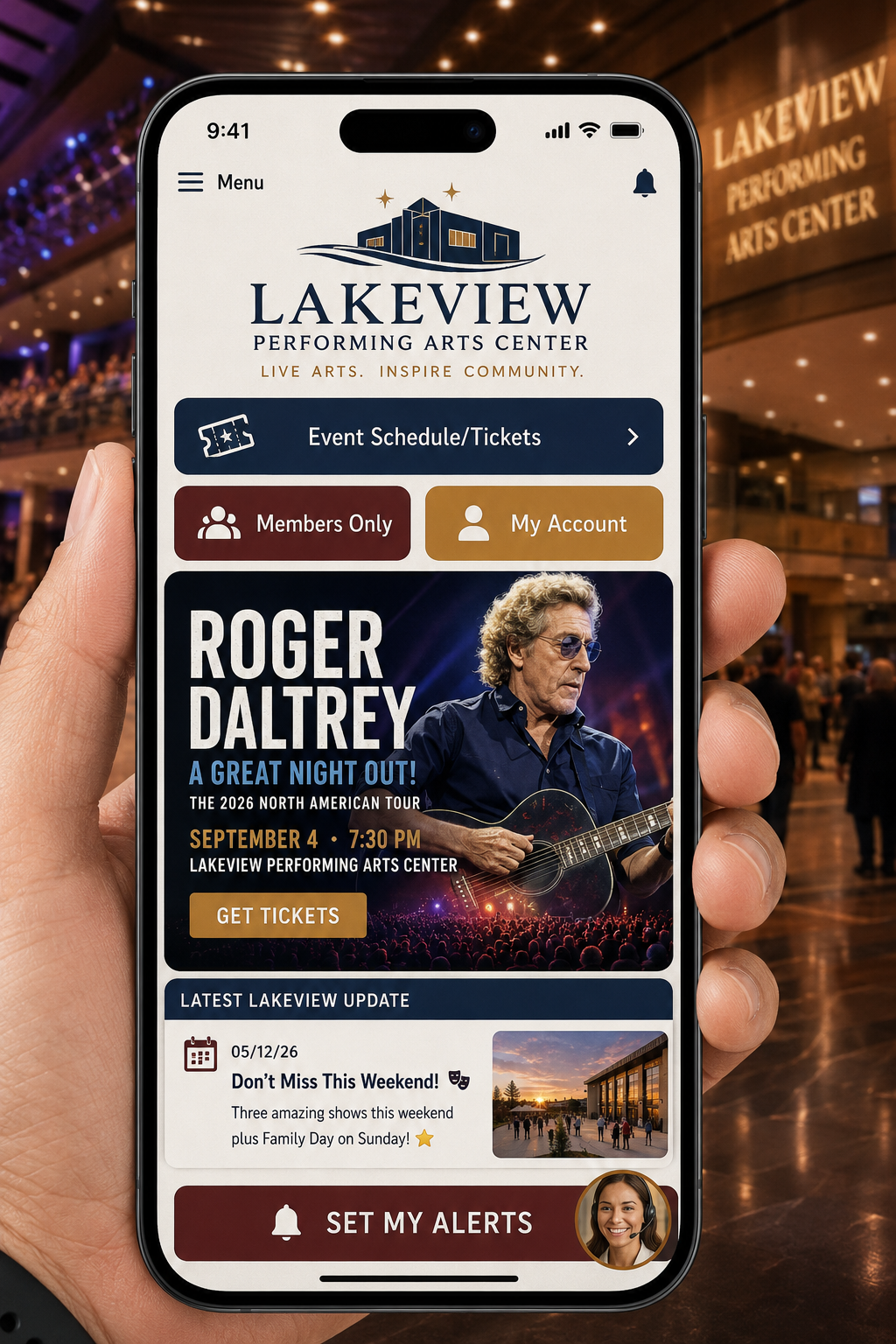
Chances are, you already have a marketing calendar that integrates your customer outreach across multiple channels: in-store, website, social media, email, SMS, and even direct mail.
Progressive App Marketing is simply a new mobile channel giving small businesses affordable access to the mobile marketing benefits enjoyed by national brands for years.
Hint: You’ve Probably Done This Before

Most small businesses have already launched something more complicated than Progressive App Marketing.
If you’ve introduced a club, built a loyalty program, promoted an event, opened an online store, created a subscription, or taught customers to use a reservation system, launching a branded app draws on the same skills.
You define what customers will gain.
You provide the materials and services that support the experience.
You invite the people most likely to value it.
Your app partner handles the machinery behind the curtain.
Maybe you’ve never have launched a mobile app, but you probably know how to launch a successful customer outreach program.
Progressive App Marketing may be new.
But building strong customer relationships is the heart of any successful small business. Small business marketers already know what to do.
ABOUT THE AUTHOR

Bryan St. Amant, Founder & CEO of VinterActive
Bryan St. Amant is the founder and CEO of VinterActive and earned an MS in Business Management from MIT and a BS in Mechanical Engineering from UC Berkeley. He’s led marketing teams for tech industry giants and built AI systems for governments and small businesses. His research on best practices has helped thousands of brands worldwide. His award-winning work has been featured in CFO Magazine, Inc., CNN Money, Integrated Direct Marketing, Direct Marketing Association, Oregon Wine Symposium, Wine Marketing Report, Wine Business, and the Wine Industry Network.